
Introduction
Building credit from scratch can feel confusing, especially if you have never used a credit card or loan before. In the United States, your credit history plays a major role in your financial life.
A strong credit profile can help you:
- qualify for loans
- rent apartments
- get approved for credit cards
- lower interest rates
- even improve job opportunities in some cases
The good news is that building credit is completely possible, even if you are starting with no credit history at all.
In this guide, you’ll learn:
- How credit works
- The fastest ways to build credit
- Best beginner credit tools
- Mistakes to avoid
- How long credit building takes
What Is Credit?
Credit is your financial reputation.
Lenders use your credit history to evaluate:
- how responsibly you borrow money
- whether you pay bills on time
- how risky you may be as a borrower
Your credit information is tracked by major US credit bureaus:
- Experian
- Equifax
- TransUnion
What Is a Credit Score?
A credit score is a number that represents your creditworthiness.
Most US credit scores range from:
- 300 to 850
General Credit Score Ranges
| Credit Score | Rating |
|---|---|
| 750+ | Excellent |
| 700–749 | Good |
| 650–699 | Fair |
| Below 650 | Poor |
Why Building Credit Matters
Good credit can help you:
- qualify for better credit cards
- get lower loan interest rates
- save money over time
- improve approval chances for housing
Without credit history, many lenders may hesitate to approve applications.
🔥 Best Ways to Build Credit From Scratch
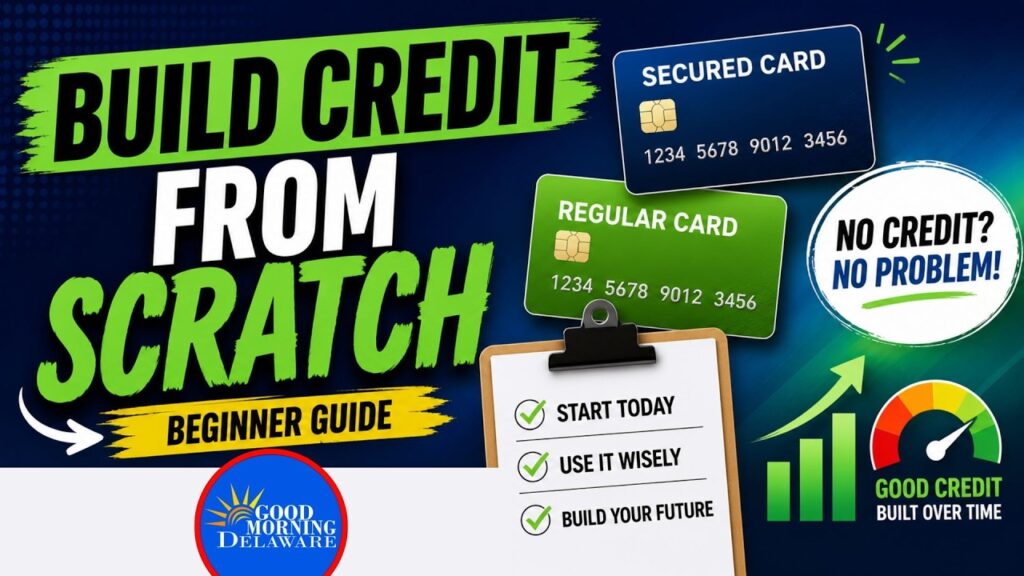
1. Get a Secured Credit Card
A secured credit card is one of the easiest ways to start building credit.
These cards require:
- a refundable security deposit
Example:
- $200 deposit
- $200 credit limit
Popular beginner options include:
- Discover it® Secured
- Capital One Platinum Secured
- OpenSky® Secured Visa®
2. Become an Authorized User
A trusted family member or friend can add you as an:
Authorized User
on their credit card account.
This may help you benefit from:
- their payment history
- account age
- low utilization
Choose someone with:
- strong credit habits
- low balances
- on-time payments
3. Apply for a Student Credit Card
Student cards are designed for:
- beginners
- college students
- limited credit history
Many offer:
- easier approval
- cashback rewards
- credit education tools
4. Use Credit Builder Loans
Some banks and credit unions offer:
Credit Builder Loans
These are designed specifically to help build payment history.
Payments are reported to credit bureaus.
5. Pay All Bills On Time
Payment history is the biggest factor affecting credit scores.
Late payments can damage your score quickly.
Set up:
- automatic payments
- reminders
- alerts
to avoid missing due dates.
6. Keep Credit Utilization Low
Credit utilization measures how much credit you use.
Example:
- $1,000 limit
- $200 balance
- = 20% utilization
Experts recommend staying:
- below 30%
- ideally below 10%
7. Monitor Your Credit Reports
Regularly checking your reports helps identify:
- errors
- fraud
- inaccurate balances
You can monitor credit through:
How Long Does It Take to Build Credit?
Many people may generate an initial credit score within:
- 3 to 6 months
Strong credit typically takes:
- several years of responsible usage
Consistency is more important than speed.
What Factors Affect Credit Scores?
1. Payment History
Largest factor affecting scores.
2. Credit Utilization
Lower balances help scores.
3. Length of Credit History
Older accounts strengthen profiles.
4. Credit Mix
Different account types may help.
5. New Credit Applications
Too many inquiries may temporarily lower scores.
Common Credit Building Mistakes
❌ Missing payments
❌ Maxing out credit cards
❌ Applying for too many accounts
❌ Closing old accounts early
❌ Ignoring credit reports
Beginner Credit Building Strategy
Step 1:
Get a secured or student card.
Step 2:
Use it for small purchases.
Step 3:
Pay the balance on time every month.
Step 4:
Keep balances low.
Step 5:
Monitor progress regularly.
Best Credit Cards for Beginners
| Card Type | Best For |
|---|---|
| Secured Credit Card | No credit/bad credit |
| Student Credit Card | College students |
| Beginner Cashback Card | Fair credit users |
Can You Build Credit Without a Credit Card?
Yes.
Other methods include:
- credit builder loans
- reporting rent payments
- certain utility reporting services
However, credit cards remain one of the fastest and most common methods.
How to Improve Credit Faster
✅ Pay balances early
✅ Never miss payments
✅ Use small amounts of credit
✅ Keep old accounts open
✅ Avoid unnecessary applications
Frequently Asked Questions
Can I build credit with no income?
Some beginner cards may approve limited income applicants, but stable income improves approval chances.
How fast can credit scores improve?
Some improvements may appear within months, but strong credit takes time.
Is a secured card worth it?
Yes. Secured cards are one of the best beginner credit-building tools.
What is the easiest way to start building credit?
Getting a secured credit card and paying on time consistently is one of the simplest methods.
Final Thoughts
Building credit from scratch takes patience, consistency, and responsible financial habits.
The best strategy is to:
- start small
- use credit carefully
- make payments on time
- keep balances low
- monitor your progress
Strong credit can open the door to:
- better loans
- lower interest rates
- stronger financial opportunities
- long-term financial stability
In 2026, there are more beginner-friendly credit tools available than ever before, making it easier for Americans to start building healthy credit profiles.